Welcome to the Dudziec Research Group website!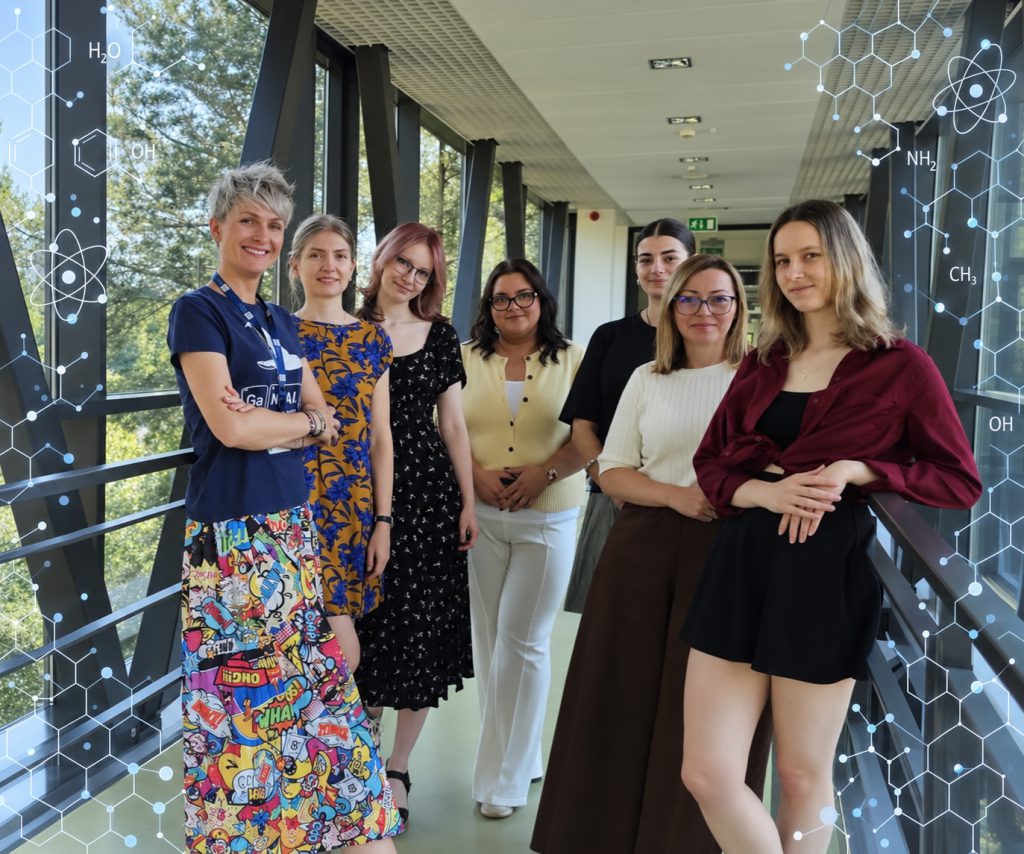
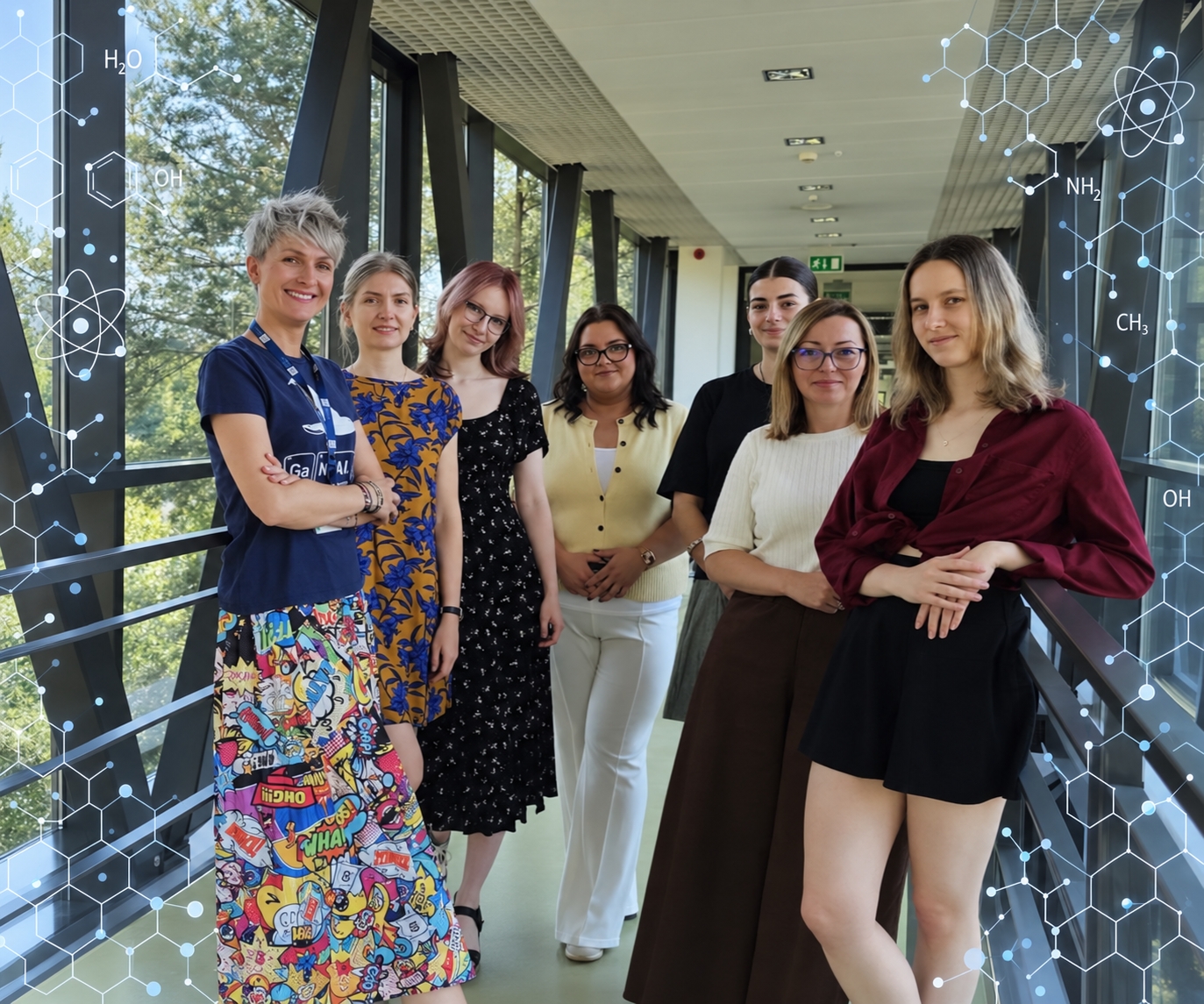
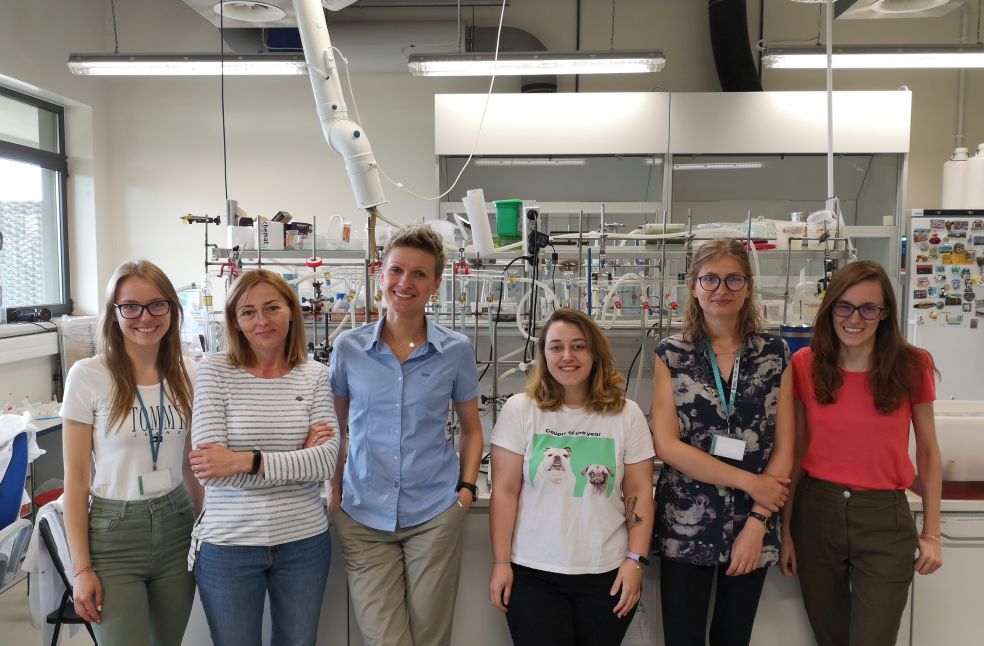
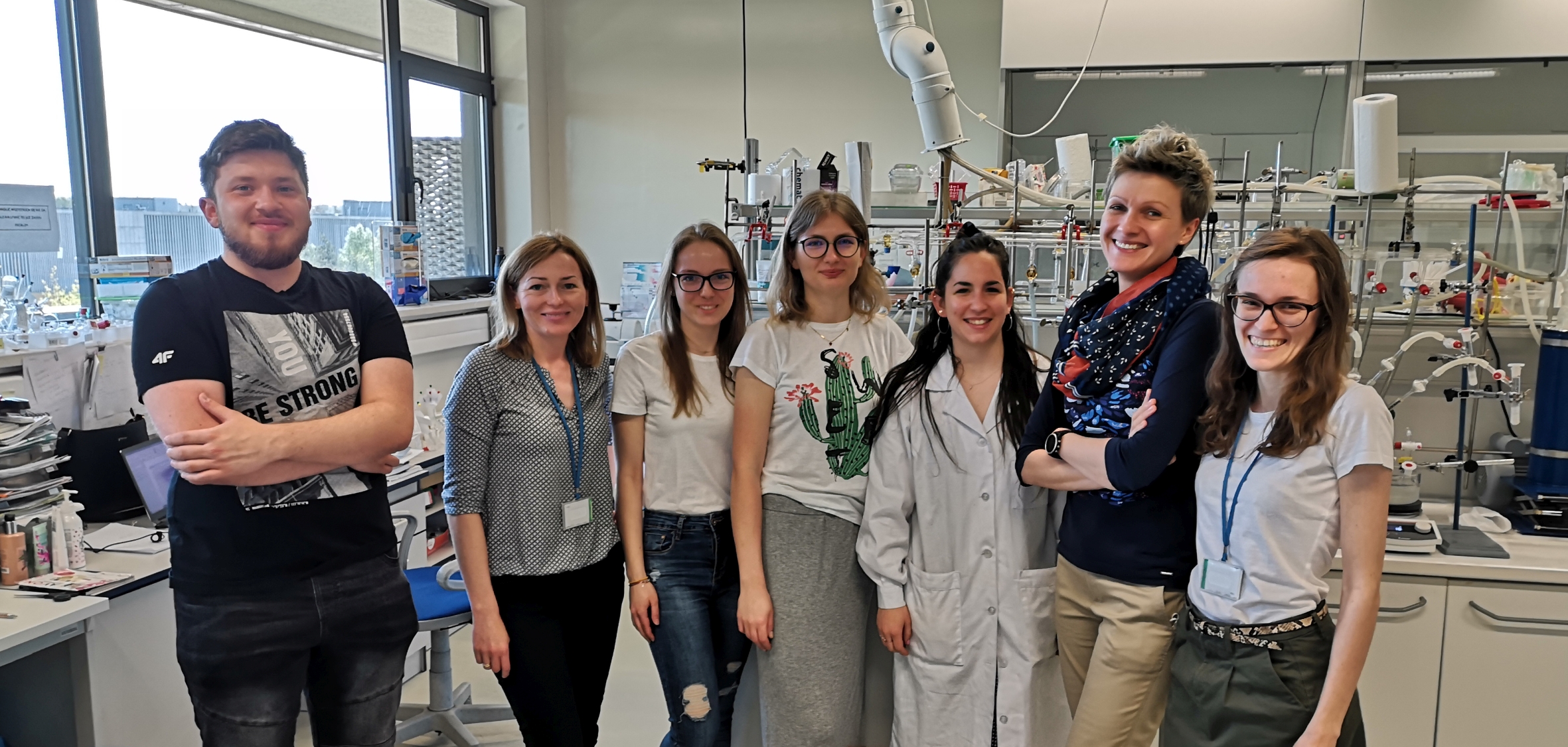
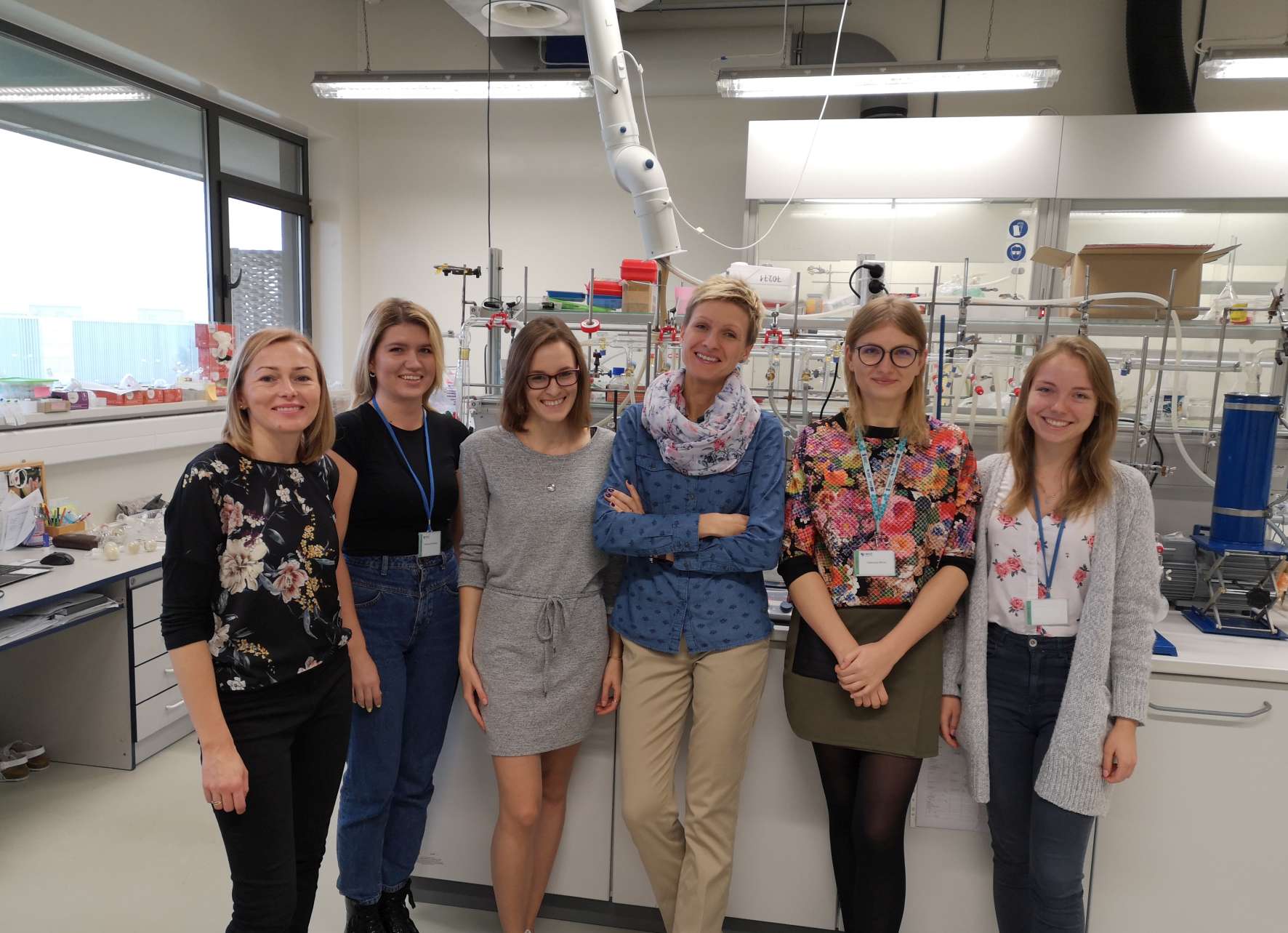
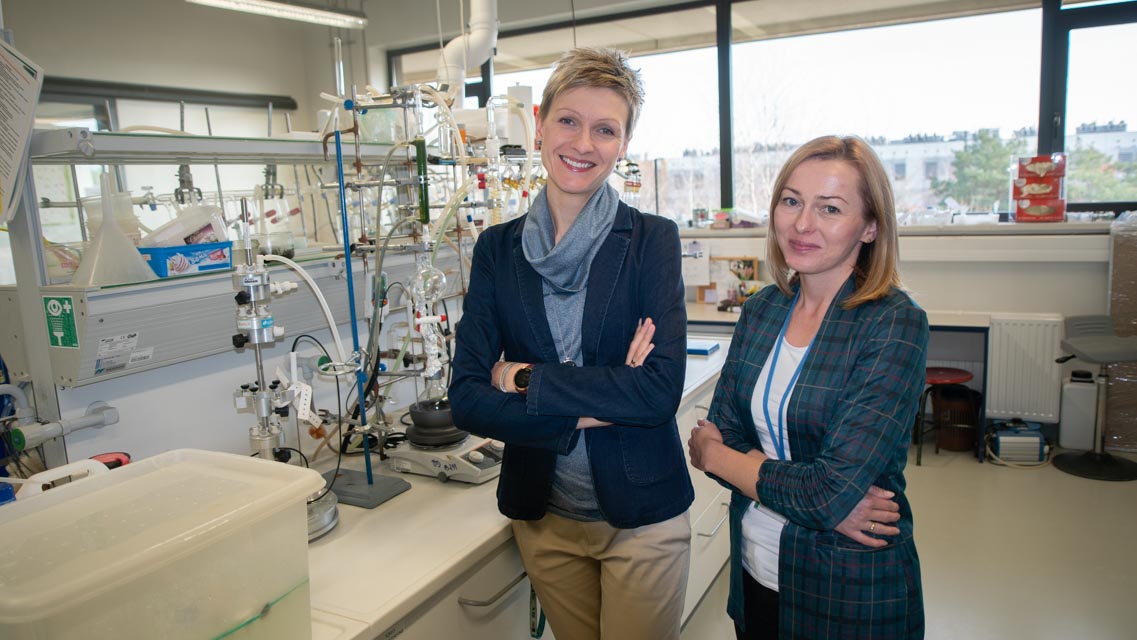
Dudziec Research Group is based at the Center for Advanced Technologies in agreement with the Faculty of Chemistry at Adam Mickiewicz University in Poznań, located at Campus Morasko, Poland. We are a small, enthusiastic Team made up of undergraduates, PhD students, and a Post-Doc. The research topics of the Dudziec Group are focused on the development of methodologies for design and synthesis.
Some time ago, our interest has focused on the specific types of organosilicon systems, i.e. Polyhedral Silsesquioxanes (SQs, POSS) of general formula (RSiO3/2)n. They contain well-defined nanosized, 3D inorganic Si-O-Si core with organic coronae (R) that constitute a wide class of organic-inorganic, i.e. hybrid frameworks. The most important structures are cube-like T8 SQs. Just over a decade ago, a new type of Si-O-Si system was distinguished, i.e. double-decker silsesquioxanes (DDSQ).
The aim of our research…
Our goals fit the international trends in the chemistry of silsesquioxanes and concern the development of operationally simple methods (stoichiometric and catalytic) for the construction of functionalized molecular and macromolecular silsesquioxane-based systems of complex structures. The foundation of our studies on silsesquioxanes, as the smallest particle that features hybrid properties of materials, is that they are not available in either category of organics and inorganics of their own. Thermal and oxidative stability may be just an example of properties that is achieved by merging the Si-O-Si core with the organic functionalities. This aspect allows us to obtain silsesquioxane-based materials, also with an organic polymer matrix that exhibits interesting physicochemical features to be applied in many branches of chemistry, electronics, medicine, etc. We aim to look for new applications of our SQ-based frameworks in selected paths of possible and existing (or not yet discovered …) directions of their application.
This note is just a summary of the research work performed in our Group. For a more thorough description, click research and publications.